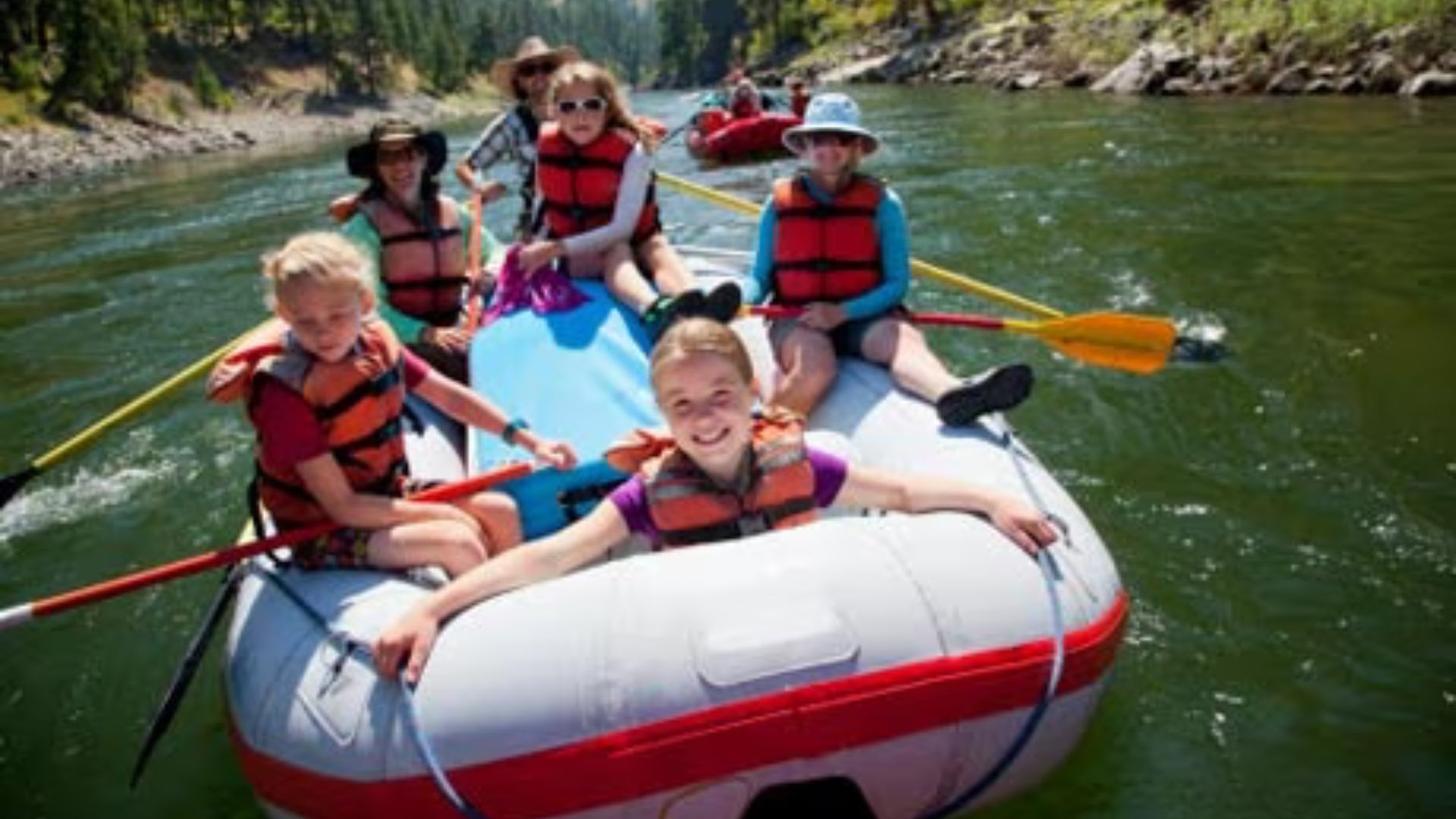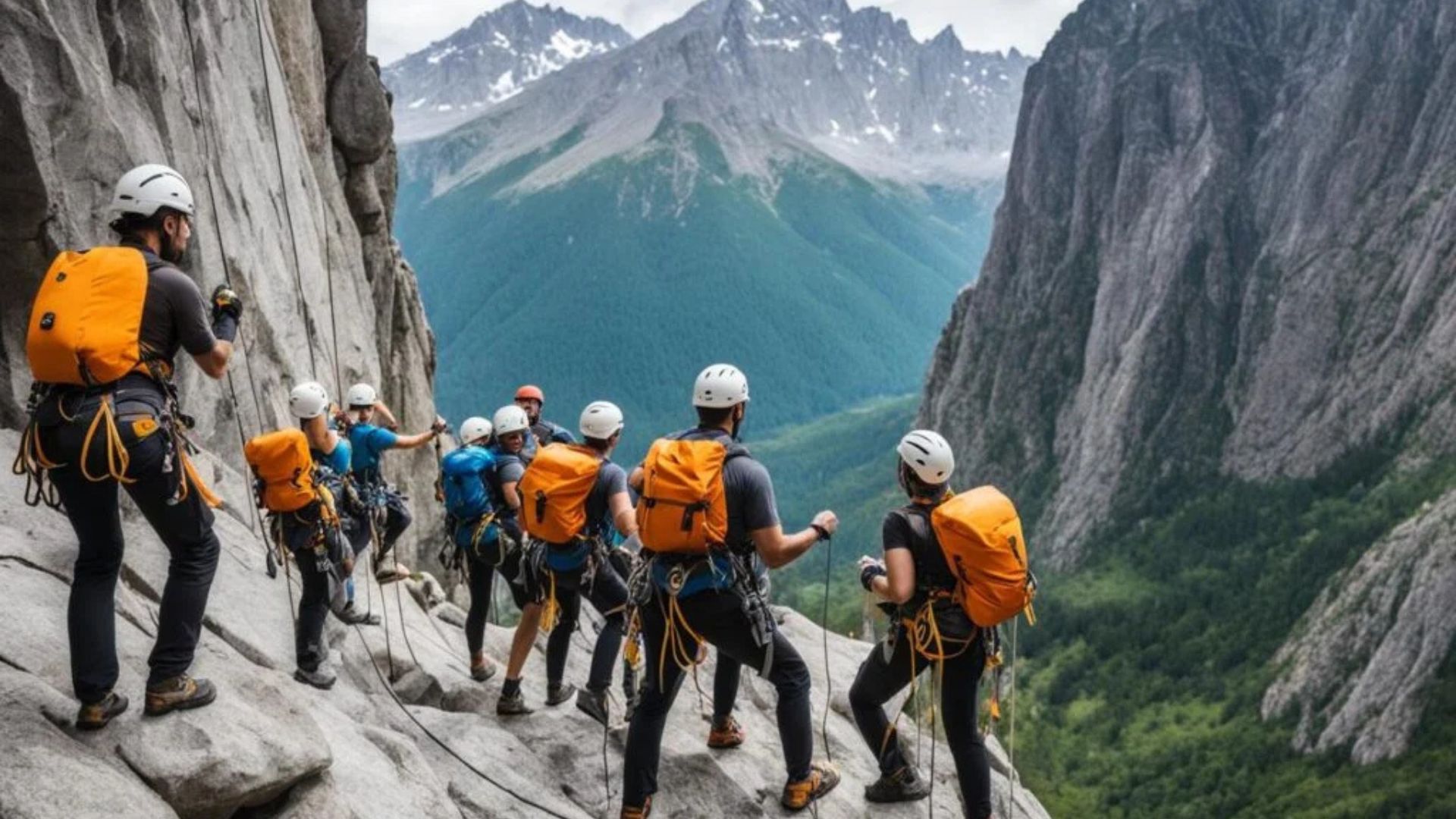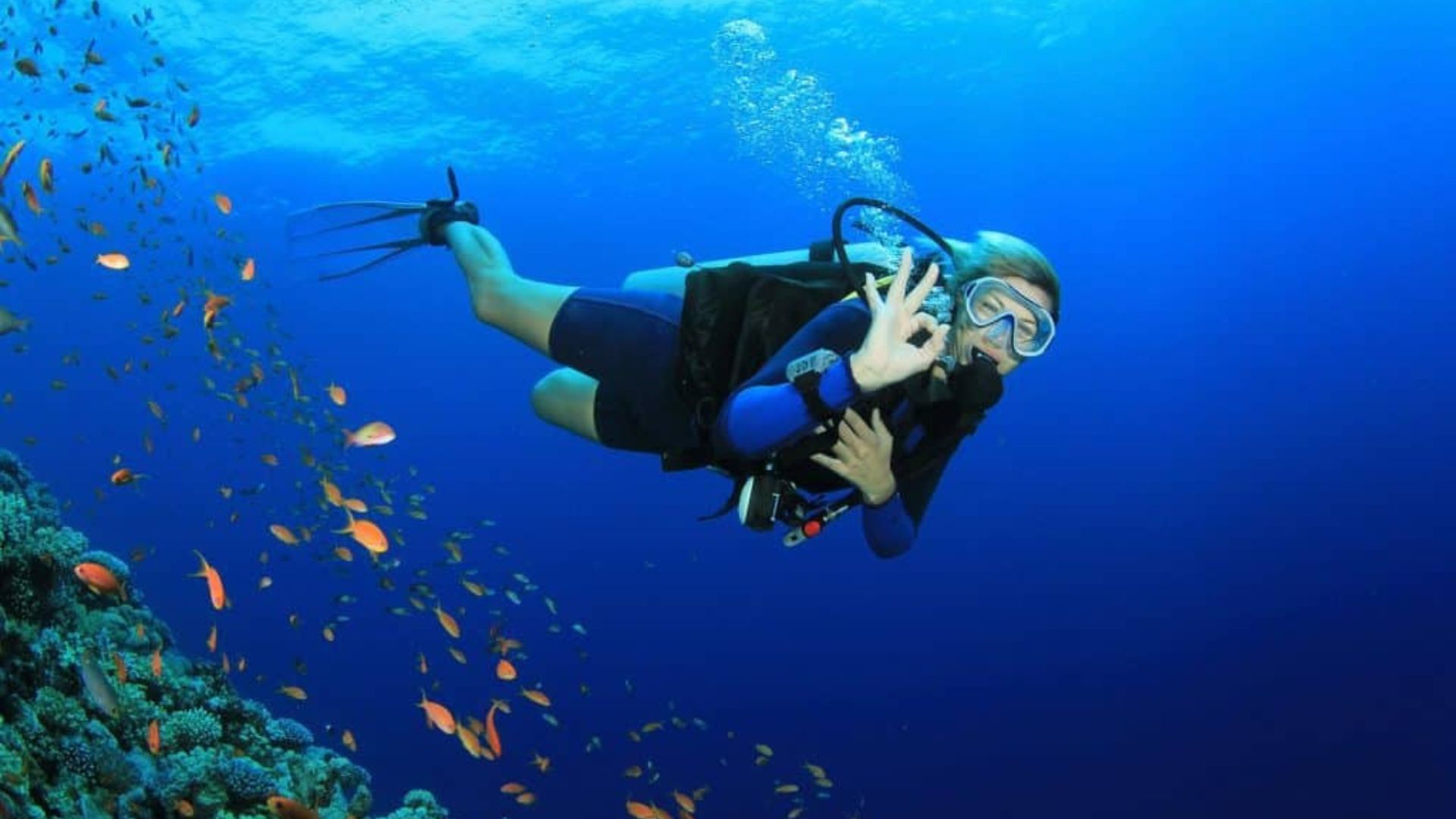
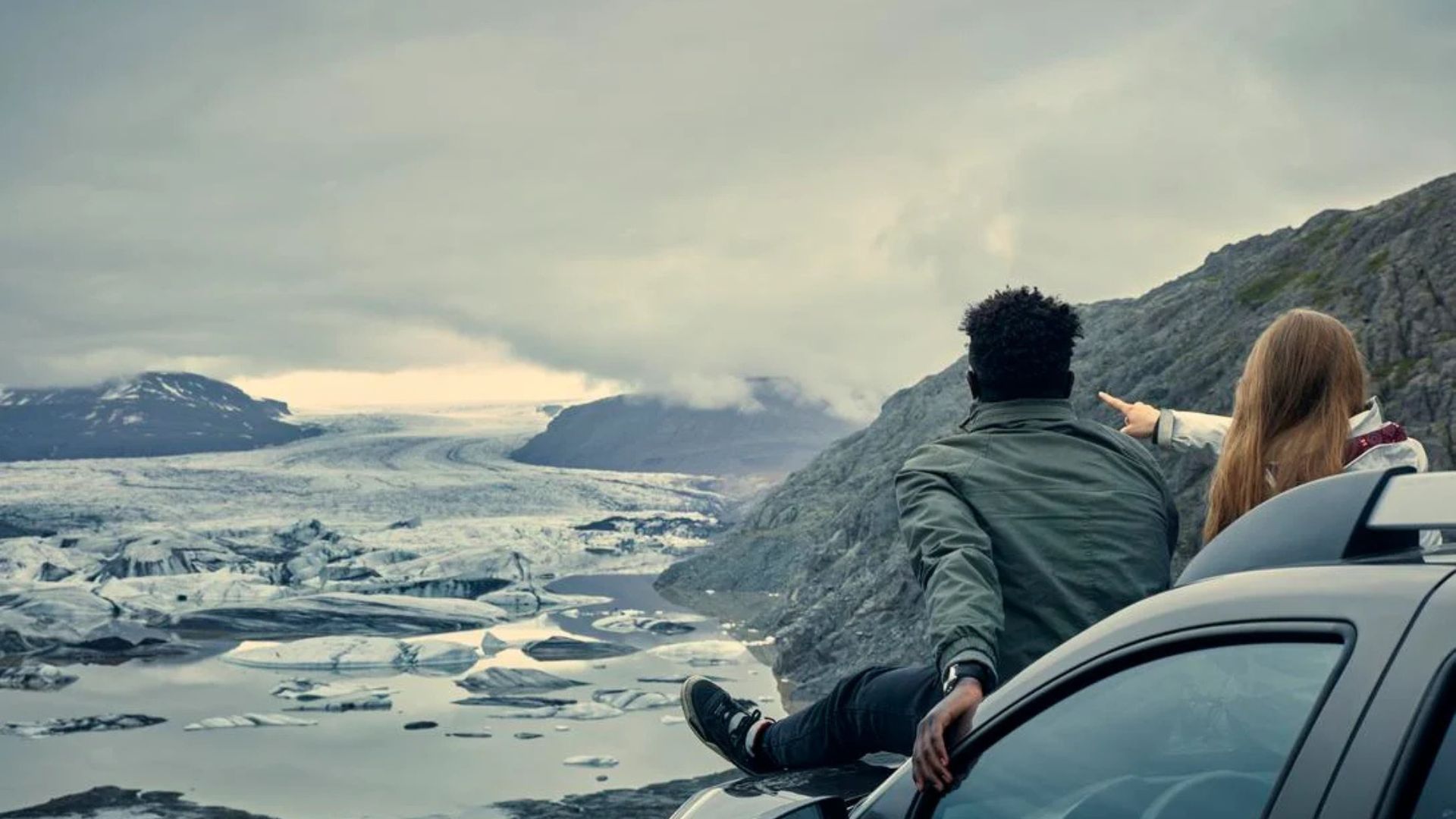




Adventure activities abroad are an exciting way to experience new places and cultures. Whether you’re hiking in the mountains, ziplining through the jungle, or scuba-diving in crystal-clear waters, it’s important to prioritize safety. Adventure can be thrilling, but being well-prepared will ensure you have an unforgettable and safe experience. Here are some essential safety tips to follow when participating in adventure activities abroad.
1. Do Your Research
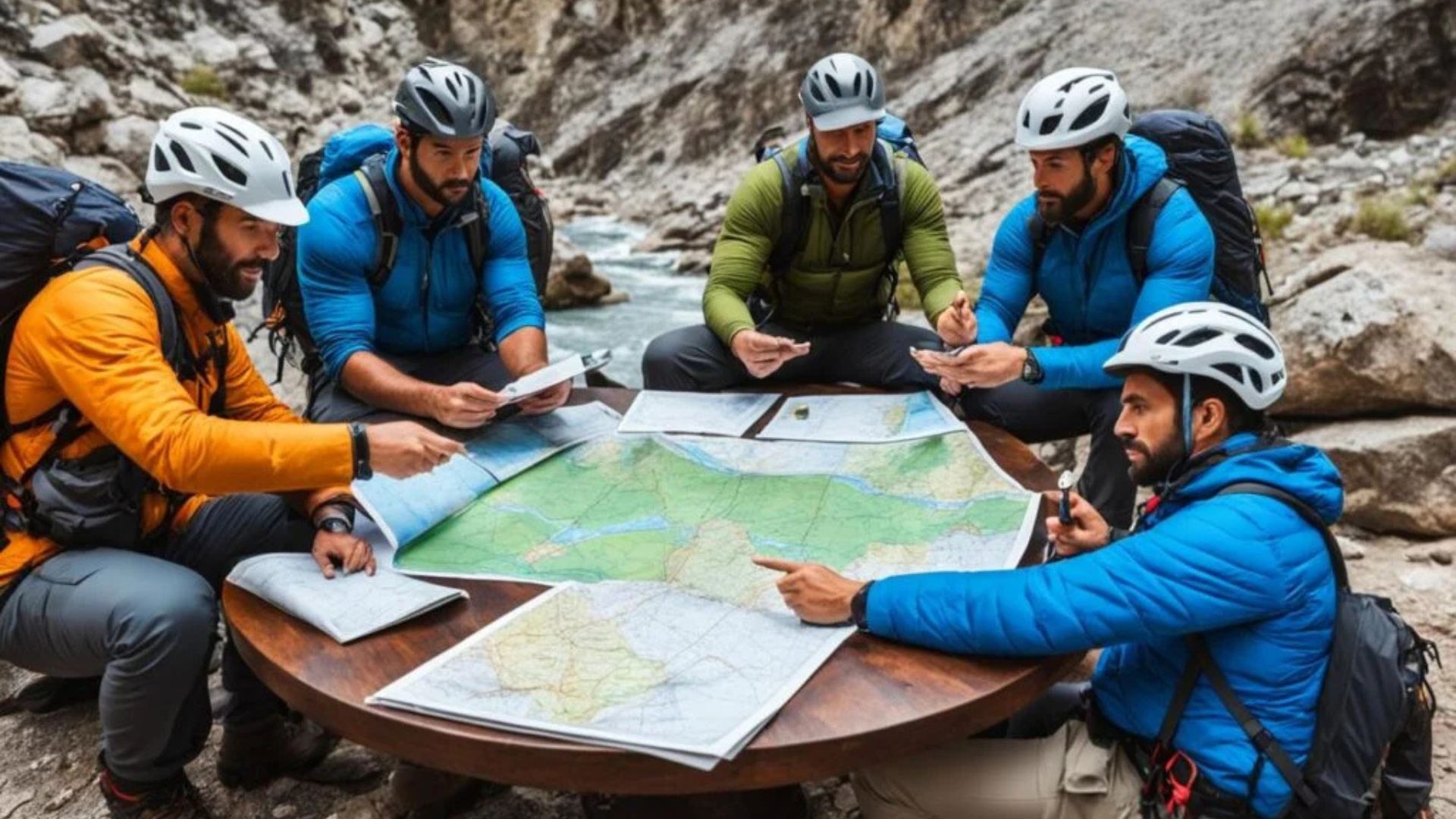
Before booking any adventure activity, take the time to research the destination and the activity itself. Knowing what to expect and how to stay safe will help you be better prepared.
What to Research:
-
Local Safety Regulations: Different countries have varying safety standards for adventure activities. Look into whether the activity is regulated and if the operator follows local safety guidelines.
-
Weather Conditions: Check the weather forecast to ensure conditions are suitable for outdoor activities. Some adventures, like hiking or kayaking, are best avoided in extreme weather.
-
Local Wildlife and Hazards: Research any local wildlife or natural hazards that could pose a risk, such as venomous animals, poisonous plants, or strong ocean currents.
Tip:
If you’re not sure about the safety conditions of a specific activity, ask the operator for detailed safety information.
2. Choose a Reputable Tour Operator
Selecting a reputable tour operator is one of the most important steps to ensure your safety during adventure activities abroad. A good operator will prioritize your well-being and provide experienced guides, proper equipment, and clear instructions.
How to Find a Trusted Operator:
-
Look for Reviews: Read reviews from past travelers on websites like TripAdvisor or Google. These can give you an idea of the operator’s safety standards and overall reliability.
-
Check Credentials: Ensure the operator has valid certifications and experience in the specific activity you’re planning to do. For example, if you’re going scuba diving, the operator should be certified by an international diving association.
-
Safety Records: Ask the operator about their safety protocols and the training their guides receive. They should have clear emergency plans and first-aid procedures.
Tip:
If possible, opt for small-group tours, as they often offer more personalized attention and a safer experience.
3. Always Wear the Proper Gear
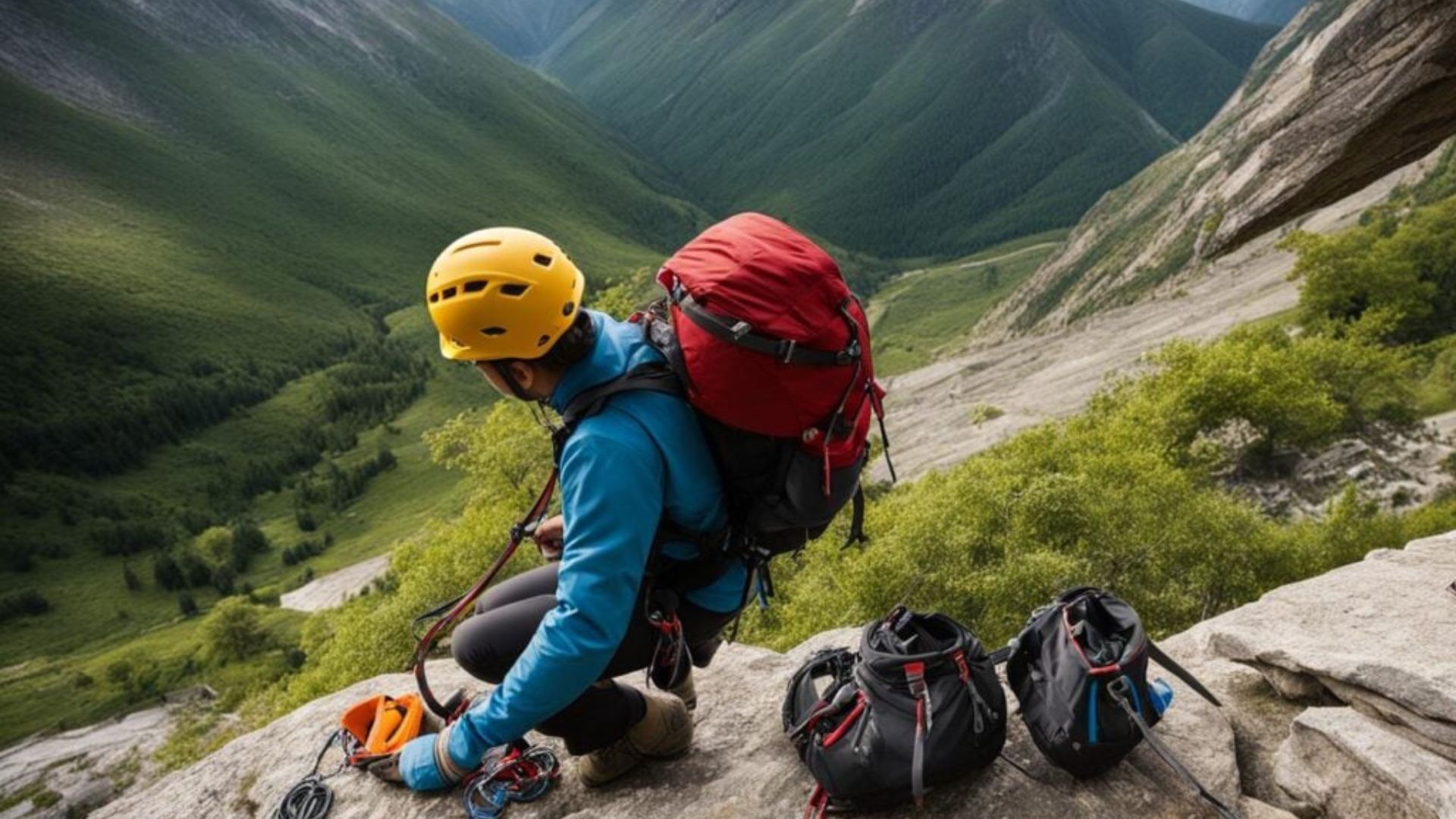
Wearing the right gear for any adventure activity is crucial for both comfort and safety. Whether it’s a helmet for ziplining or life jackets for kayaking, the right equipment is designed to protect you from injury.
What Gear to Wear:
-
Protective Gear: Always wear any required protective gear, such as helmets, harnesses, gloves, knee pads, or flotation devices.
-
Weather-Appropriate Clothing: Pack clothing suitable for the activity and the weather, such as moisture-wicking clothes for hiking or a wetsuit for diving.
-
Footwear: Choose sturdy, supportive shoes or boots designed for the activity. For example, hiking boots with ankle support are essential for trekking, while water shoes are best for water activities.
Tip:
Before starting any activity, make sure the gear fits properly and is in good condition. Never hesitate to ask for new equipment if it appears worn out.
4. Know Your Limits
One of the biggest mistakes adventure-seekers make is overestimating their abilities. While it’s great to challenge yourself, it’s crucial to know your physical and mental limits. Don’t push yourself too hard, especially if you’re new to the activity.
How to Stay Within Your Limits:
-
Start Small: Begin with beginner-friendly activities to build your confidence and skill level. Once you’re comfortable, you can try more advanced options.
-
Listen to Your Body: If you feel exhausted, dizzy, or uncomfortable, stop and rest. Overexertion can lead to accidents or injuries.
-
Tell Your Guide About Any Concerns: If you have health conditions or feel uneasy about the activity, speak up. A responsible guide will adjust the plan to accommodate your needs.
Tip:
Don’t feel pressured to keep up with others. Your safety should always come first.
5. Stay Hydrated and Nourished
Adventure activities often require physical exertion, so it’s important to stay hydrated and nourished throughout the day. Dehydration and low blood sugar can lead to fatigue, dizziness, and accidents.
Tips for Staying Energized:
-
Carry Water: Always bring a water bottle, and drink water regularly, especially in hot or dry climates.
-
Eat Healthy Snacks: Pack energy-boosting snacks like trail mix, granola bars, or fruit to keep your energy levels up.
-
Avoid Alcohol: It’s important to stay alert, so avoid alcohol before or during any adventure activity.
Tip:
If you’re participating in a physically demanding activity, consider taking electrolytes to help balance your hydration.
6. Follow Safety Instructions
When participating in adventure activities abroad, always listen carefully to the safety briefing and instructions provided by your guide. These instructions are designed to keep you safe and help you understand what to expect.
Important Safety Guidelines:
-
Understand the Safety Procedures: Learn how to properly use any equipment, such as how to use a harness, paddle, or breathing apparatus.
-
Know Emergency Protocols: Understand what to do in case of an emergency. Ask about evacuation plans and where the nearest medical facility is.
-
Respect the Guide: Your guide is an expert in the activity and the area. Follow their instructions closely to minimize risks.
Tip:
If you don’t understand any part of the instructions, ask for clarification before starting the activity.
7. Keep Emergency Contact Information
When traveling abroad for adventure activities, it’s important to have emergency contact information readily available. In case of an accident or unexpected situation, having this information can help you get the support you need quickly.
What to Keep Handy:
-
Local Emergency Numbers: Research the emergency numbers for your destination before you travel. For example, 911 in the U.S. or 112 in many European countries.
-
Travel Insurance Details: Make sure you have a copy of your travel insurance policy, including the emergency contact number for your insurer.
-
Hotel or Tour Operator Contact: Always have the contact information of your tour operator or hotel in case you get separated from the group.
Tip:
Keep this information in a secure, easy-to-access location, such as in your phone or a travel wallet.
8. Be Aware of Local Customs and Laws
When participating in adventure activities abroad, it’s essential to be aware of local customs, laws, and cultural practices. Certain activities may have local restrictions or require special permissions, and respecting these can help ensure your safety and avoid any legal issues.
Things to Consider:
-
Permits and Regulations: Some activities, like hiking in national parks or diving in protected marine areas, may require permits.
-
Cultural Sensitivity: In some destinations, certain clothing or behavior may be considered disrespectful. Always do your research before participating in any local activities.
-
Environmental Impact: Be mindful of the environment and follow Leave No Trace principles to minimize your impact on nature.
Tip:
Respecting local customs not only ensures your safety but also fosters positive relationships with the local community.
Conclusion
Adventure activities abroad offer the chance to create amazing memories, but safety should always be your top priority. By doing your research, choosing reputable operators, wearing the right gear, and following safety instructions, you can enjoy thrilling adventures while minimizing risks. Remember, preparation is key—take the necessary precautions, know your limits, and stay alert. With these safety tips, you’re ready to embark on your next adventure abroad with confidence and peace of mind! Safe travels!